Theory to hardware
Development of converter platforms, embedded interfaces, sensing pipelines, and practical power-electronics demonstrators.
I work at the intersection of power electronics, DC systems, embedded control, simulation, and hands-on technical education. My portfolio combines hardware development, demonstrator design, converter control, publication-driven research, and practical knowledge transfer. Leading the team of the DC reserach department and lecture as power electronics expert.
About
My work centers on practical electrical engineering, with a strong emphasis on converter systems, DC infrastructure, measurement-driven validation, embedded implementation, and technical education. I operate across the full chain from theory and simulation to hardware realization, experimental verification, and publication-oriented dissemination.
A defining characteristic of this portfolio is the ability to translate complex engineering into usable systems: demonstrators, educational platforms, firmware environments, course material, technical papers, and experimental setups that make invisible electrical behavior measurable and understandable.
Development of converter platforms, embedded interfaces, sensing pipelines, and practical power-electronics demonstrators.
Use of simulation-supported development together with measurements, experiments, and control validation in real hardware.
Creation of learning environments that help students and professionals understand converters, DC systems, sensing, and control through direct experimentation.
Expertise
The profile spans converter design and control, DC systems, motor-drive fundamentals, embedded firmware, measurement reliability, simulation-driven engineering, and demonstrator-based education.
Technical Portfolio
The portfolio includes configurable hardware trainers, browser-controlled converter platforms, DC-grid demonstrators, educational motor-drive setups, simulation-supported learning environments, and practical systems for the renewable energy transition.
Flexible platforms for teaching converter behavior, sensing, switching strategies, and control principles through direct experimentation.
Demonstrator systems that make power flow, droop control, storage interaction, and protection logic visible and measurable.
Web-based interfaces and firmware structures for operating power stages, collecting data, and supporting reproducible lab experiments.
Educational setups for BLDC and PMDC concepts, Hall-sensor interpretation, inverter control, and measurement-driven debugging.
Courses and assignments that connect theoretical models with real converter hardware and measurable system behavior.
Engineering work related to charging, storage, conversion, DC infrastructure, and renewable-energy integration.
Gallery
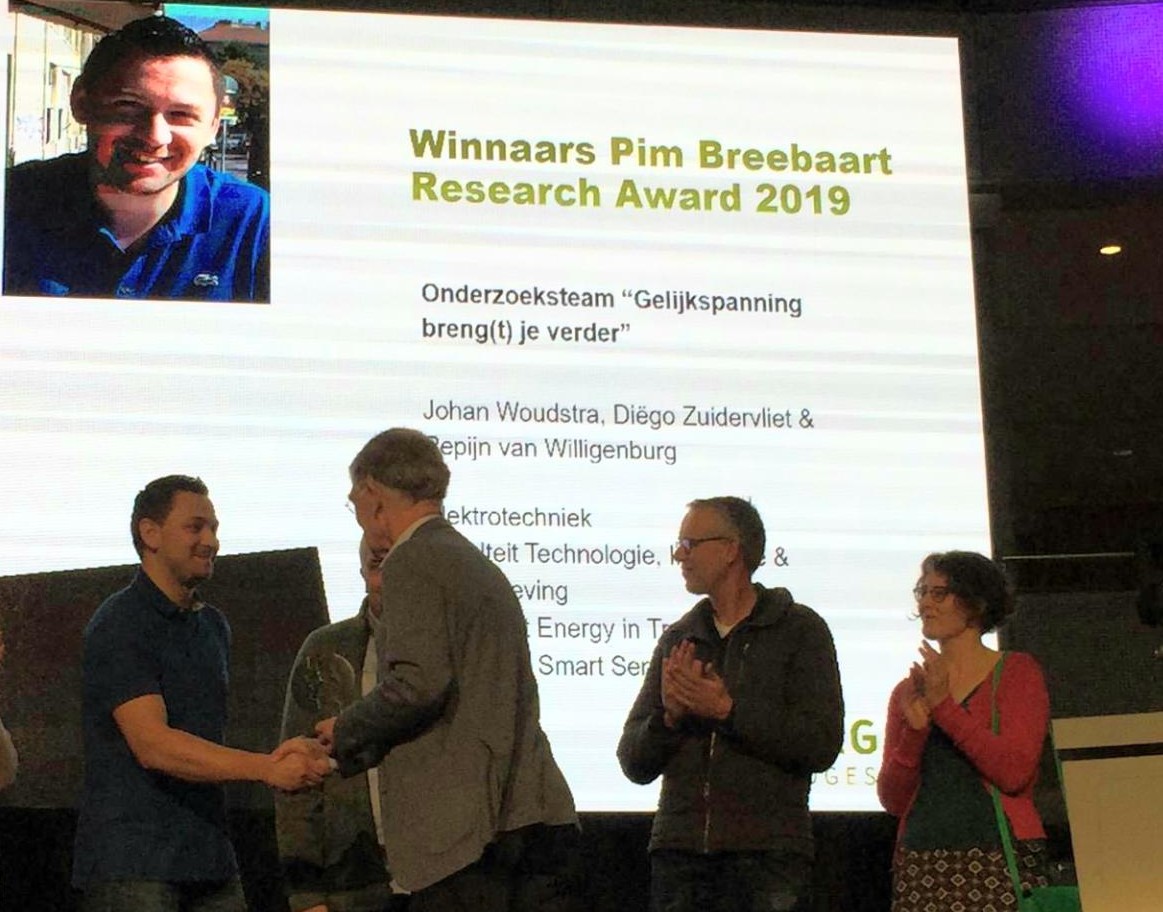
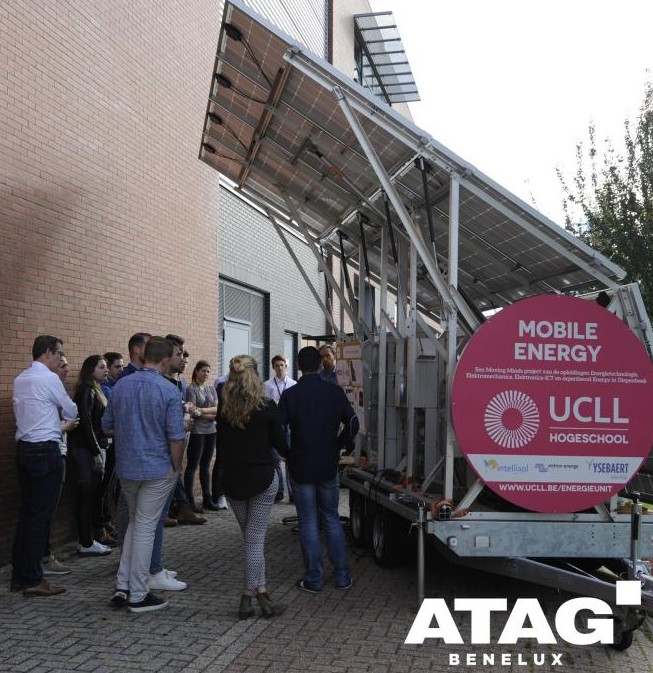
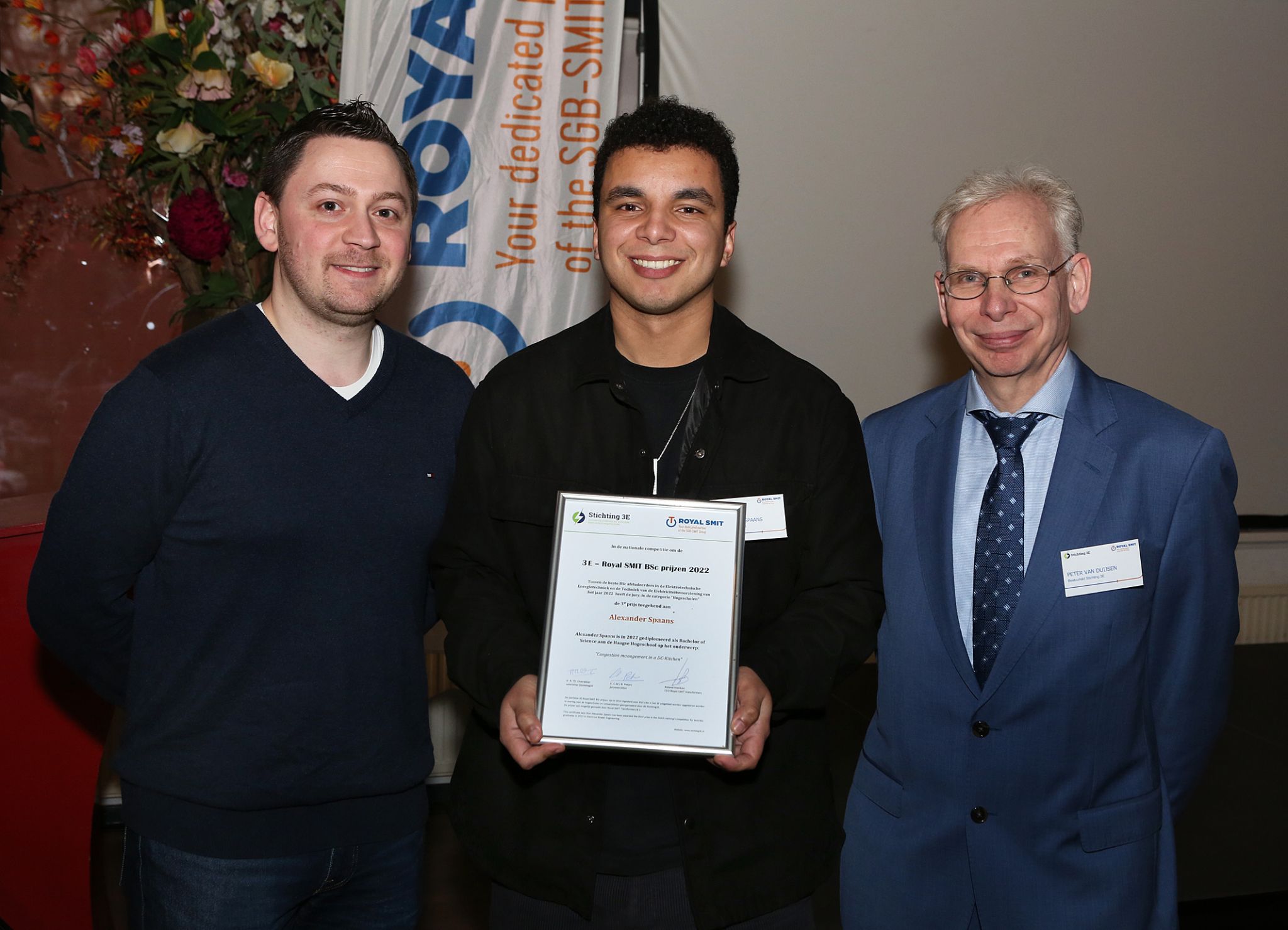
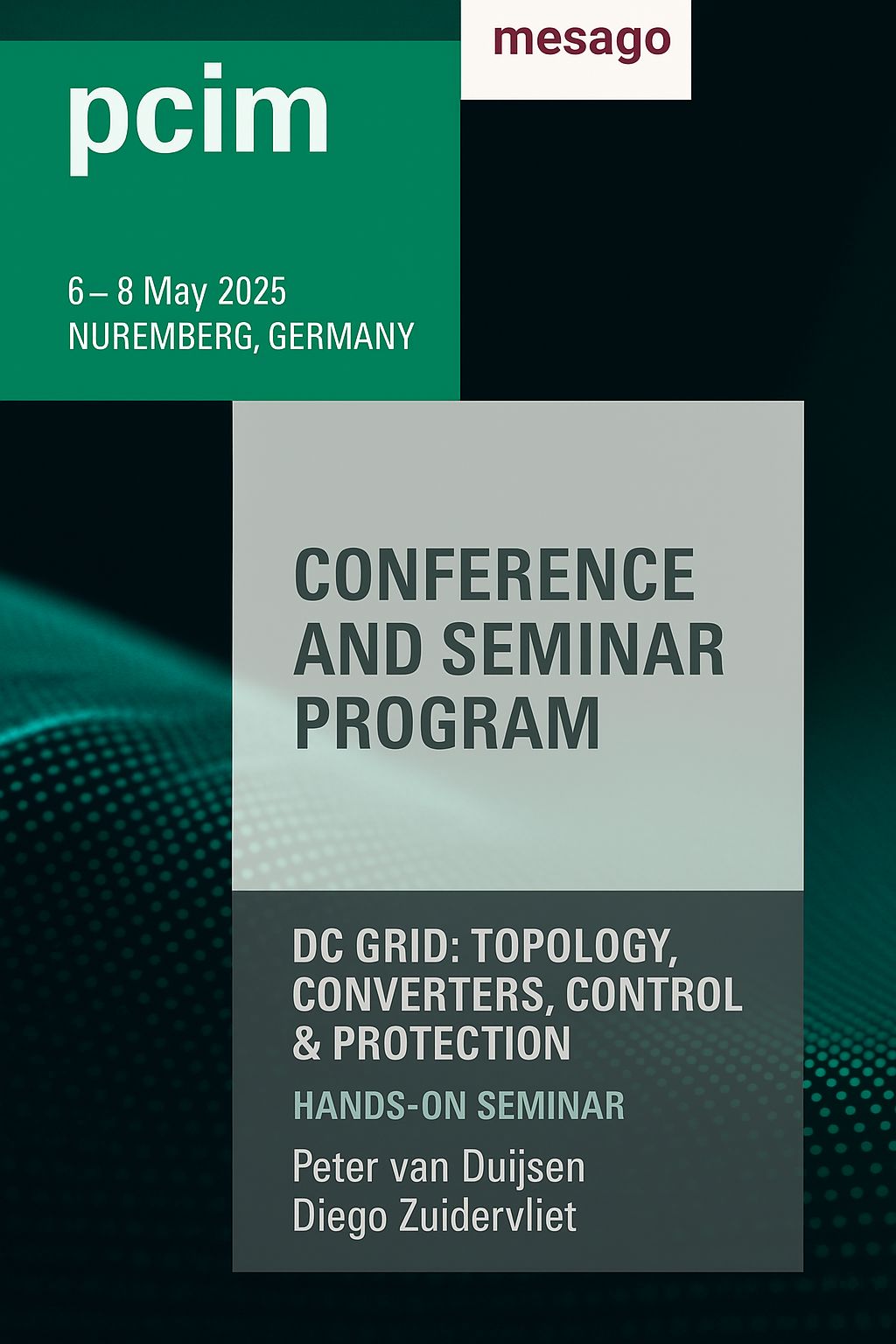
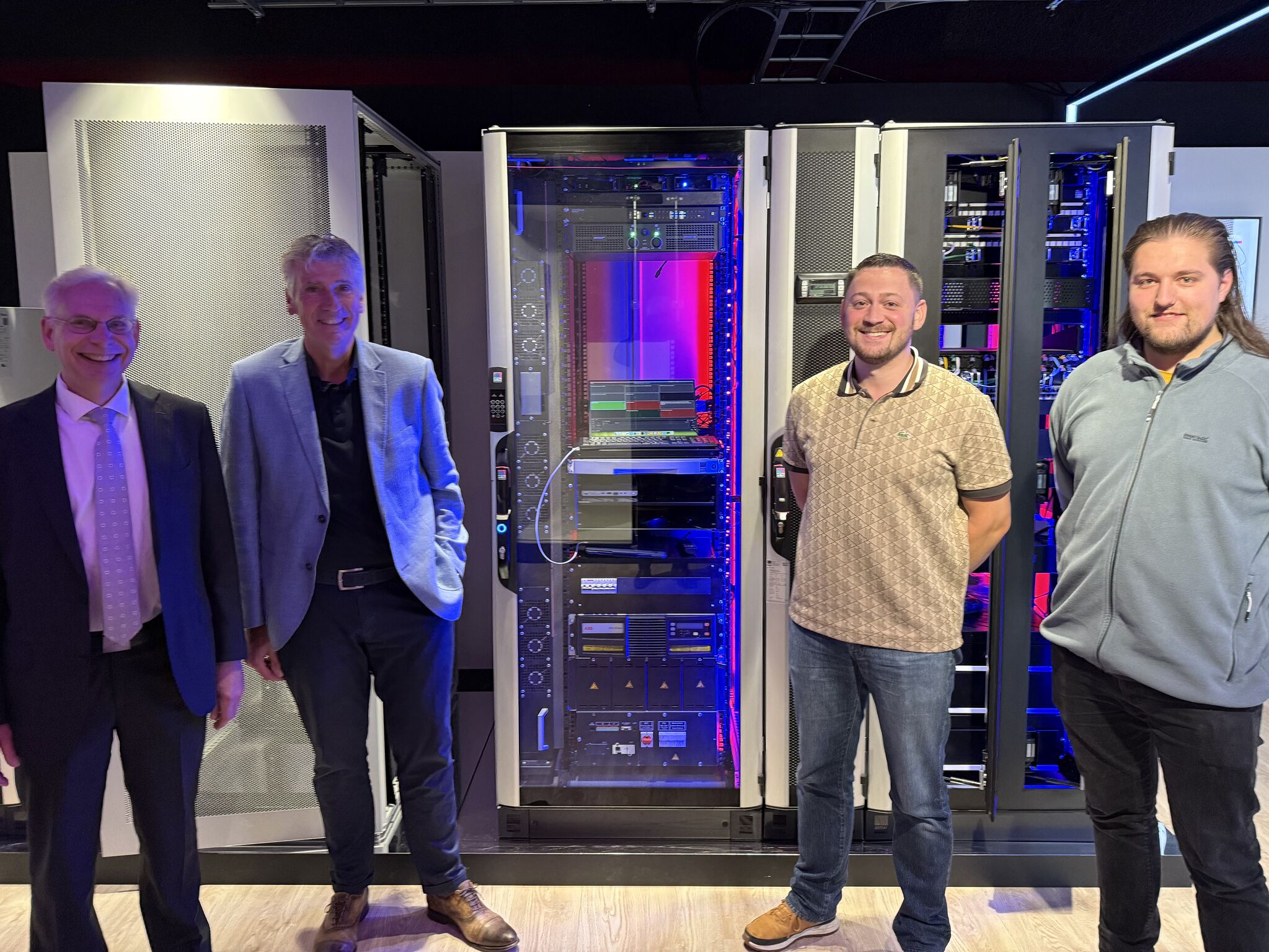
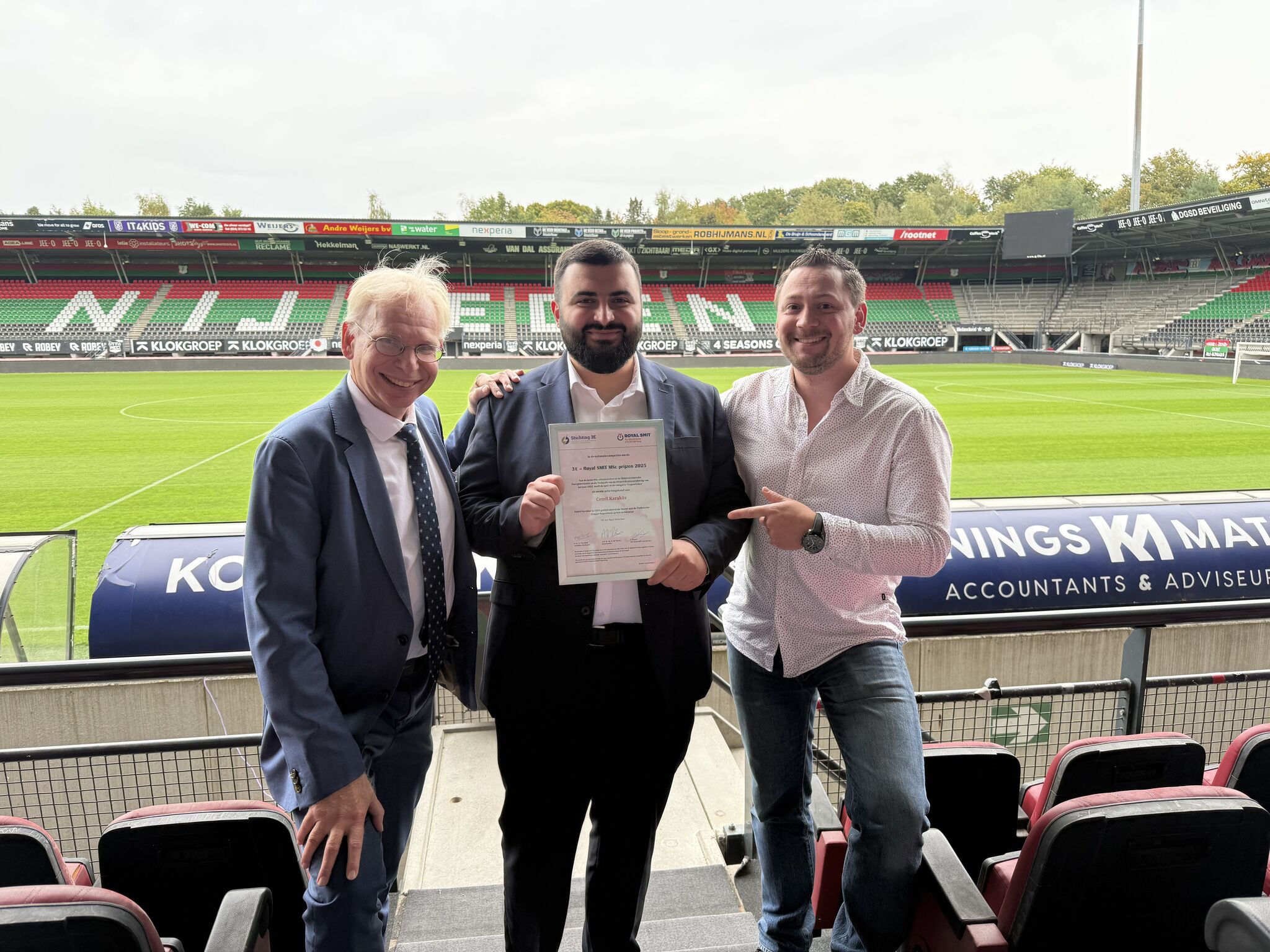
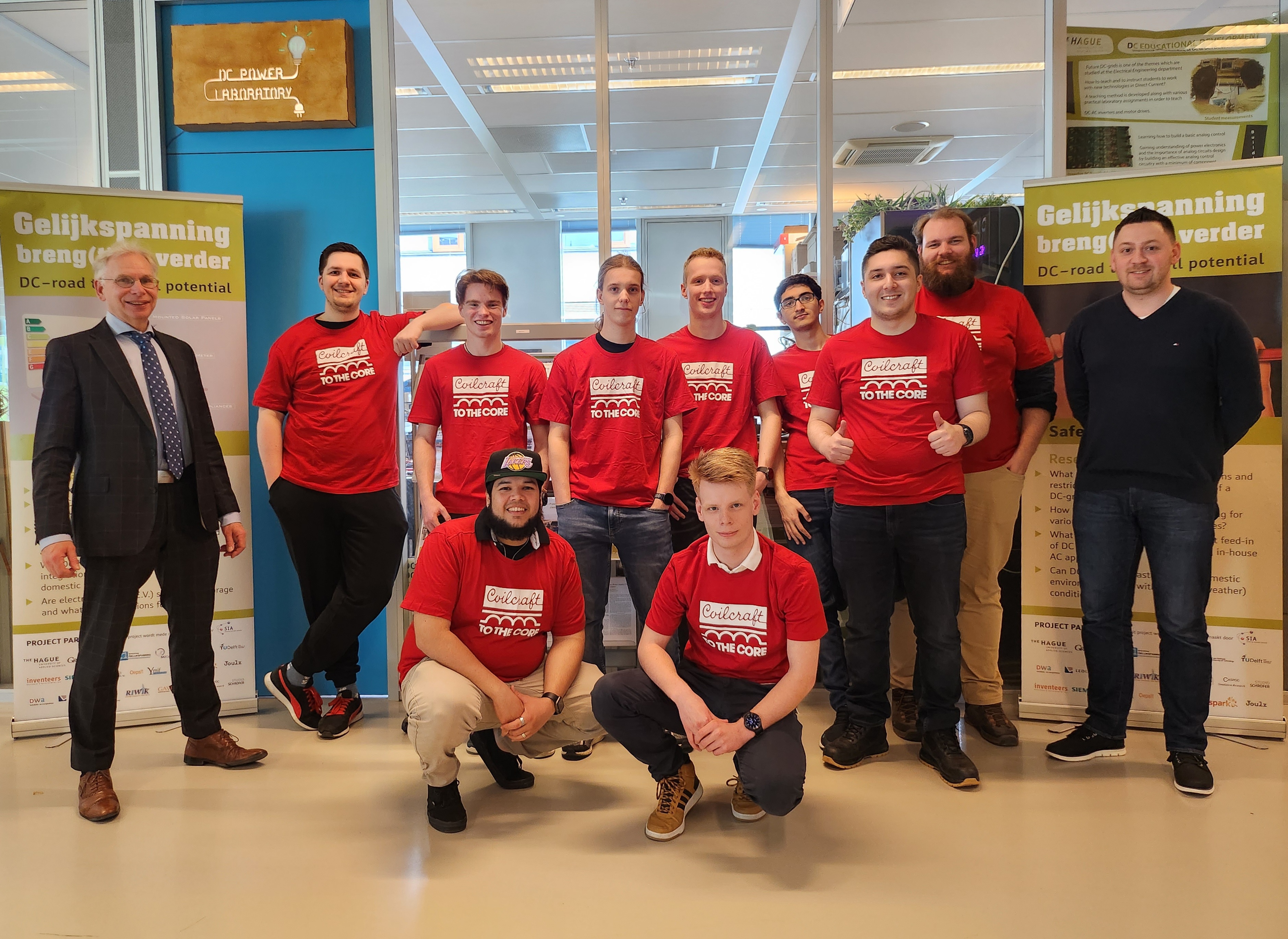
This visual section adds context to the publication profile and project work through conference, award, demonstrator, team, and field images. The profile image is placed prominently to make the site more personal without shifting into private content.
Publications
This section combines the publication list you supplied with additional items surfaced from public profiles and conference listings. It presents a broader portfolio across DC grids, converter systems, laboratory demonstrators, motor drives, modeling, technical education, and energy-transition applications.
Hands-on seminar focused on DC-grid topology, converter behavior, control, and protection in an application-oriented conference setting.
View publication sourceControl architecture for a DC-grid manager in a tiny-house demonstrator, linking local energy management, power flow control, and educational visibility.
View publication sourceProtection-oriented work on crowbar implementation for a power-electronics training platform.
View publication sourceModular DAB design for DC-grid applications, combining converter architecture and educational relevance.
View publication sourceRecent work on bidirectional power equalization in DC-grid environments.
View publication sourceEducational and implementation-focused work linking the energy transition with wireless power transfer.
View publication sourcePart 1 of a structured DC-grid series covering architecture, definitions, and conceptual foundations for modern DC infrastructures.
View publication sourcePart 2 of the DC-grid series focusing on control strategies and converter roles.
View publication sourcePart 3 of the DC-grid series focusing on safety and protection requirements in modern DC systems.
View publication sourceDutch article on DC-network structure, regulation, and protection, including droop control, short-circuit and earth-leakage protection, soft-start, islanding, and topologies.
View publication sourceMotor-driver design with emphasis on modularity and high-current sensorless operation.
View publication sourceEducational hardware focused on Dual Active Bridge control principles.
View publication sourceCourse-development work around the electrical energy transition.
View publication sourceEducational development work aimed at eVehicle motor-control learning.
View publication sourceApplied converter design linking solar energy and inductive cooking in rural settings.
View publication sourceIntegration of configurable code and hardware into a DC-system training platform.
View publication sourceData-acquisition design for DC-grid environments using FPGA-based architecture.
View publication sourceDC-grid droop-control application for charging electric boats.
View publication sourceUse of modeling and simulation to improve power-electronics teaching.
View publication sourceTest-bench design for switched-mode power-supply education and laboratory experimentation.
View publication sourceTiny-house nanogrid demonstrator with droop control, solar conversion, storage, and DC loads.
View publication sourceUniversal six-leg inverter platform for electrical-drives laboratory use.
View publication sourceDistribution of renewable energy in light-rail traction grids.
View publication sourceUniversal power-electronics hardware trainer for DC-grid education.
View publication sourceLow-cost dual-stage interleaved bidirectional boost converter implementation.
View publication sourceEducational laboratory demonstrator for Dual Active Bridge control.
View publication sourceDroop-control strategy for DC grids with kitchen appliances to avoid congestion.
View publication sourceStructured SMPS course design focused on lectures.
View publication sourceStructured SMPS course design focused on laboratory education.
View publication sourceLaboratory setup for DC-grid droop control and protection education.
View publication sourceLearning environment for power electronics and electric-vehicle drives.
View publication sourceEducational droop-control laboratory setup.
View publication sourceReflections and transients while retrofitting AC cables to DC for public lighting.
View publication sourceLow-voltage DC nanogrid for a self-sustainable tuk-tuk.
View publication sourceDroop control in DC grids using the Universal Four Leg as a laboratory setup.
View publication sourceSmart current limiter concepts for switching power supplies in DC grids.
View publication sourceTeaching field-oriented control using animation.
View publication sourceEducational setup for brushless motor drives.
View publication sourceStructuring, control, and protection of the DC grid.
View publication sourceElectronic learning-experience setup for power-electronics and electrical-drive education.
View publication sourceEarly educational-learning environment work in power electronics and electrical drives.
View publication sourceSmart current limiter work for DC grids.
View publication sourceAward-winning paper on power-electronics requirements for converting kitchen appliances from AC to DC.
View publication sourceResearch and Teaching Impact
The work consistently brings together publication output, demonstrator development, technical training, and real hardware experimentation. That combination allows complex topics such as droop control, converter behavior, motor-drive principles, and DC-system design to become accessible without sacrificing technical rigor.
This portfolio is suitable for collaboration in applied research, technical consulting, demonstrator development, educational innovation, conference activity, and engineering-oriented knowledge transfer.
Contact
Open to collaboration in power electronics, DC systems, embedded control, demonstrator development, technical education, applied research, and engineering communication.